All Categories
Featured
How Regional Nonprofits Supply Much Better Debt Relief

Calculating the Statute of Limitations in Your Area
Why Creditors Worry Chapter 7 More Than Settlement
Table of Contents
Navigating Credit Healing in Burlington Vermont
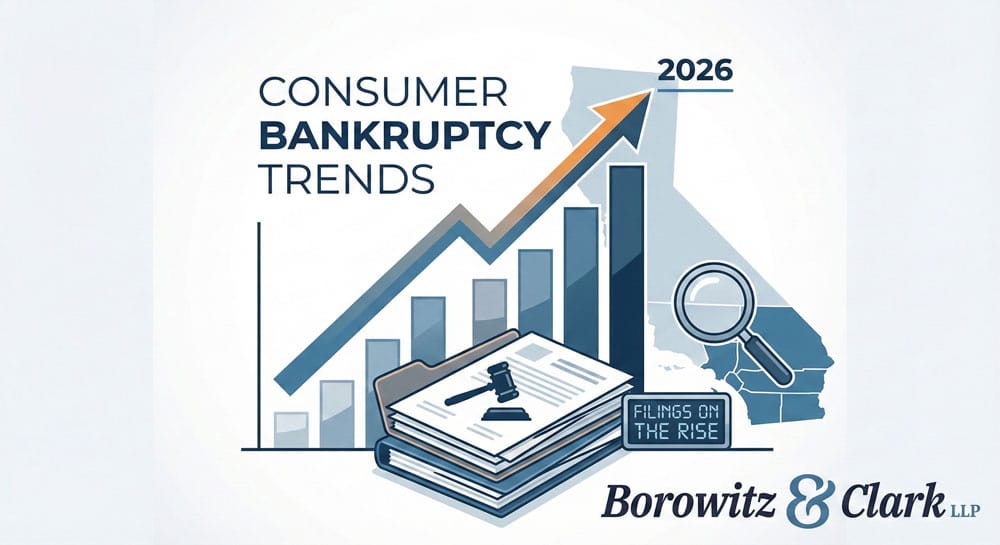
The economic environment of 2026 has actually presented special pressures on household spending plans, leading lots of people to consider insolvency as a course toward monetary stability. Filing for bankruptcy stays a substantial legal choice with lasting ramifications for credit ratings. While the immediate effect is frequently a sharp drop in point overalls, the trajectory of a rating in the years following a filing depends greatly on the type of insolvency chosen and the subsequent actions taken by the debtor. In 2026, credit rating models continue to weigh public records heavily, however they also put increasing significance on current payment history and credit usage ratios throughout the healing phase.
For those residing in the surrounding region, comprehending the difference in between Chapter 7 and Chapter 13 is the initial step in handling long-term expectations. A Chapter 7 filing, which includes the liquidation of non-exempt assets to release unsecured financial obligations, remains on a credit report for 10 years from the filing date. On the other hand, Chapter 13 involves a court-mandated 3 to five-year repayment plan and remains on the report for seven years. Numerous homeowners in Burlington Vermont begin their recovery by checking out Debt Relief to much better comprehend their legal standing before proceeding with a filing.
The Function of Nonprofit Credit Counseling in 2026
Browsing the intricacies of the U.S. Bankruptcy Code in 2026 needs more than just legal documentation. U.S. Department of Justice-approved 501(c)(3) not-for-profit credit therapy agencies have actually ended up being a primary resource for those looking for a method out of debt without always resorting to the courts. These organizations, such as APFSC, supply necessary pre-bankruptcy therapy and pre-discharge debtor education, which are legal requirements for anyone pursuing a bankruptcy discharge. These services ensure that people in the United States are completely aware of their options, consisting of debt management programs that might work as an alternative to insolvency.
A financial obligation management program (DMP) functions differently than a legal discharge. In a DMP, the agency deals with financial institutions to combine regular monthly payments into a single, more manageable quantity. These programs often result in lowered rates of interest, which can be more helpful for a credit rating gradually than a personal bankruptcy filing. Burlington Debt Relief Programs remains a common option for those having problem with high rate of interest who want to avoid the ten-year reporting period associated with Chapter 7. By picking this path, customers in the broader community can often preserve their credit standing while systematically removing their financial obligation load.
Credit Score Characteristics Post-Bankruptcy Filing
Instantly after an insolvency is released in 2026, the credit rating usually strikes its floor. The effect lessens as the filing ages. Scoring algorithms are developed to favor current behavior over historical mistakes. This means that consistent, on-time payments on new or staying accounts can start to pull a rating upward even while the insolvency remains visible on the report. For lots of in Burlington Vermont, the key to a quicker healing depends on monetary literacy and the disciplined usage of secured credit cards or credit-builder loans.
Nonprofit companies like APFSC likewise use HUD-approved real estate therapy, which is particularly pertinent for those stressed about their ability to rent or purchase a home after a personal bankruptcy. In 2026, lenders still take a look at personal bankruptcy filings, but they are frequently more lax if the applicant can show a number of years of clean credit report post-discharge. Consulting with specialists relating to Debt Relief in South Burlington helps clarify the distinctions in between liquidation and reorganization, enabling individuals to choose that line up with their long-lasting housing goals.
Handling Debt through Strategic Collaborations
The reach of credit counseling in 2026 has expanded through co-branded partner programs and networks of independent affiliates. These partnerships allow organizations to provide geo-specific services across all 50 states, ensuring that somebody in the local region has access to the exact same quality of education and support as somebody in a major urbane location. These companies work closely with financial institutions and neighborhood groups to offer a safeguard for those facing foreclosure or frustrating credit card balances.
Education is a core part of the services offered by 501(c)(3) nonprofits. Beyond the legal requirements for bankruptcy, these companies focus on long-lasting monetary health. They teach budgeting abilities, savings techniques, and the nuances of how credit mix and length of history affect the modern 2026 scoring models. For an individual who has just recently gone through a bankruptcy, this education is the difference in between falling back into old patterns and maintaining a constant climb toward a 700-plus credit rating.
Long-Term Recovery and Financial Literacy
By the time a personal bankruptcy reaches its third or 4th year on a credit report in 2026, its "sting" has substantially reduced if the person has stayed debt-free and made every payment on time. The legal financial obligation relief offered by the court system offers a fresh start, but the not-for-profit sector provides the tools to handle that start effectively. Agencies running across the country make sure that monetary literacy is available to varied neighborhoods, assisting to bridge the gap between insolvency and financial independence.
A single lower monthly payment through a financial obligation management program is often the initial step for those who are not yet all set for insolvency. By working out straight with creditors, these programs assist consumers stay current on their commitments while decreasing the total expense of the financial obligation. This proactive approach is extremely regarded by loan providers in Burlington Vermont, as it shows a dedication to payment that a bankruptcy filing does not. Whether a specific selects a legal filing or a structured management strategy, the goal in 2026 remains the same: accomplishing a sustainable financial future where credit report eventually show stability rather than previous difficulty.
The course to 2026 credit health after insolvency is not a fast one, but it is foreseeable. With the support of HUD-approved counselors and DOJ-approved education companies, the intricacies of financial obligation relief become manageable. Each state and regional neighborhood has resources devoted to helping homeowners understand their rights and obligations. By utilizing these services, customers can navigate the legal system and the credit reporting market with the knowledge essential to restore their lives and their ratings.

Table of Contents
Latest Posts
Why Creditors Worry Chapter 7 More Than Settlement

The 2026 Debate: Financial Obligation Settlement or Federal Personal Bankruptcy?

How Regional Nonprofits Supply Much Better Debt Relief
More
Latest Posts
Why Creditors Worry Chapter 7 More Than Settlement
The 2026 Debate: Financial Obligation Settlement or Federal Personal Bankruptcy?
How Regional Nonprofits Supply Much Better Debt Relief